
A standard display can rarely be simply screwed into the " Case ." Ultimately, the protection rating, heat dissipation, button layout, and anti-glare features determine whether a control unit will operate reliably in the field for years or fail after a short time.
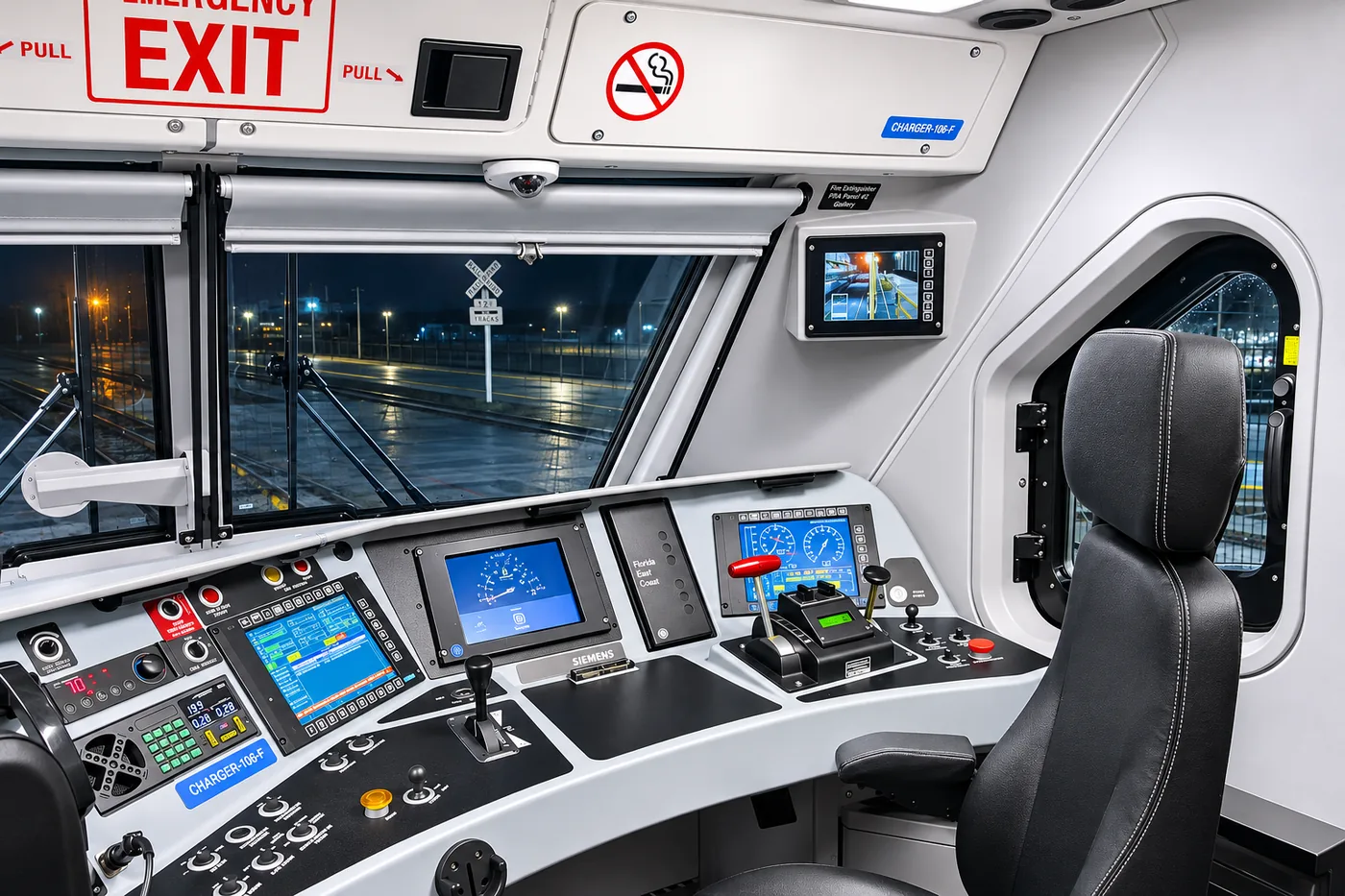
Since 1979, we have been developing custom enclosure solutions for displays and HMI (Human-Machine Interface) assemblies, from the initial design concept through to series production at our facility in Straubenhardt. More than 2,000 customers worldwide rely on this depth of development expertise.
Three factors usually determine the appropriate display technology: the ambient light at the installation site, the required viewing angle, and the expected service life of the application. Depending on your requirements, various technologies may be suitable for your HMI enclosure solution:
Ultimately, it comes down to the specific application: A control room display indoors has different requirements than an outdoor operator terminal. Our consulting is guided by the parameters of your project, not a fixed product lineup. Our “ White paper ” offers an in-depth comparison of selection criteria—including display brightness and technological limitations—for developers who want to make an informed technology decision.
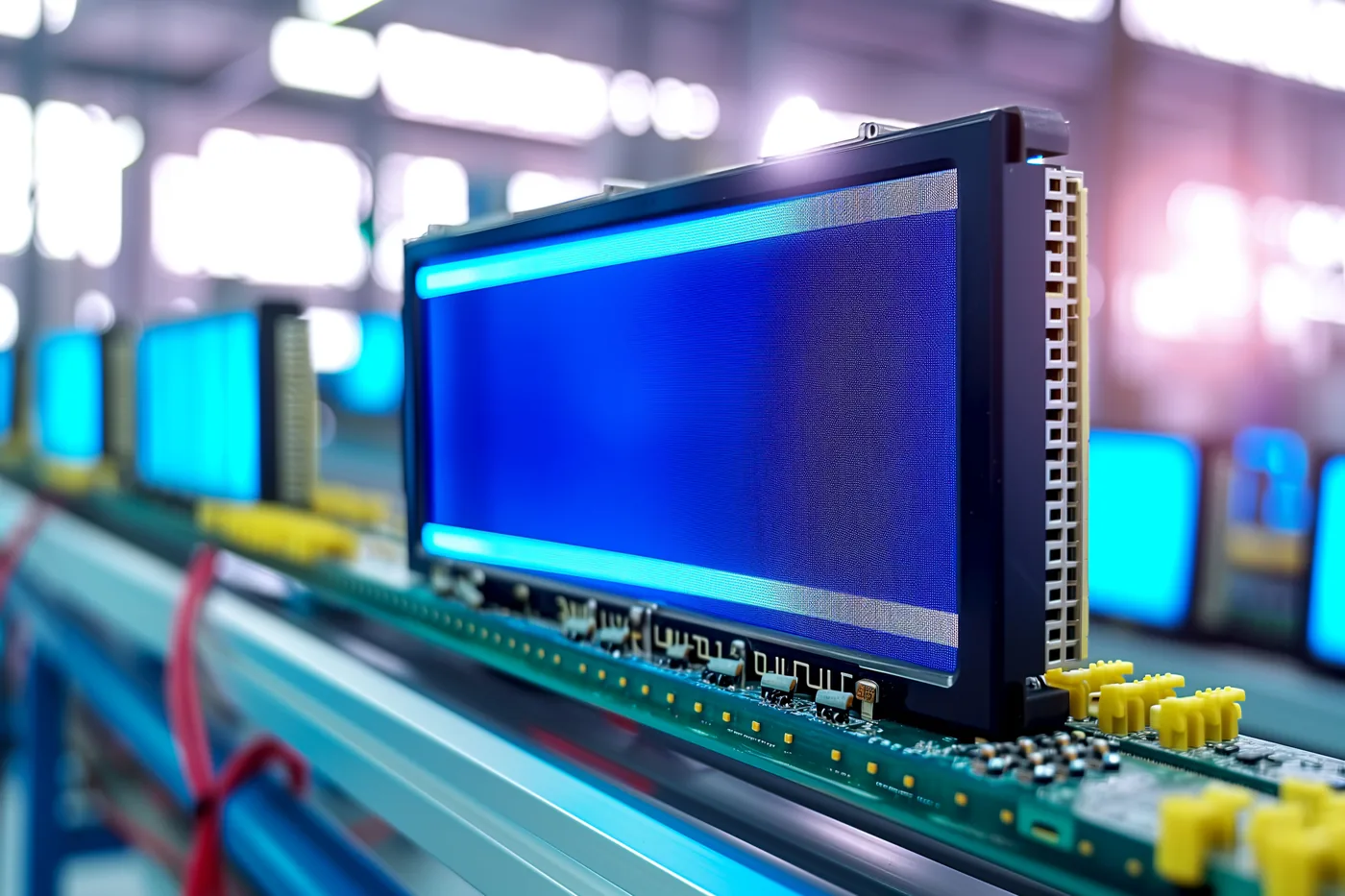
A display solution is only ready for use when the housing geometry, sealing, and ease of use are all in harmony. We handle the entire development process: housing design, protection rating based on the operating environment (typically IP54 for dust-protected indoor applications up to IP65 or higher for outdoor use), capacitive or resistive touch integration, and EMC-compliant design (electromagnetic compatibility) for the display’s heat dissipation.
Various welding processes carried out in-house ensure joints that many other companies must source externally. Mechanical engineering, plastics technology, and surface finishing are also all handled in-house, allowing anti-glare films, front panels, and enclosure surfaces to be produced from a single source.
This streamlines the approval process and centralizes responsibility for fit and appearance. Once production has been approved, your display solution will remain available in its original configuration for up to 15 years, complemented by our system technology and electronics, which integrate Case, electronics, and thermal management into a single, integrated system.
Anyone who wants to integrate a display solution into their own assembly will need STEP data early in the design phase. On our download portal, 3D design data (STEP files) for Case —and display solutions—are available after free registration. For export control reasons, we manually review each activation request.
This allows you to check the fit, installation space, and interfaces directly on your own CAD model before ordering a prototype. Register on the download portal if you need access to the STEP files for a specific display solution, and once your account is activated, you’ll have access to the relevant design data.
Our display and HMICase s are used in a variety of industries, each with its own specific requirements for durability and user interface design.
| Industry | Typical Application |
|---|---|
| Measurement, Control, and Regulation Technology | HMI units, laboratory cabinets |
| Medical Technology | Patient Monitoring, Emergency Care |
| Multimedia and Broadcast | Displays and Consoles for Studios and Distribution |
| Railway Technology | Passenger Information Kiosks and Control Consoles |
Across all industries, the same principle applies: The display solution is tailored to the specific application environment. That’s why every project we undertake begins with an assessment of your specific application scenario.
Transflective LCDs and e-paper displays are particularly well-suited for good readability in sunlight. LED walls are used for large screen sizes in event technology.
That depends on the complexity, batch size, and any regulatory requirements for the application. The process moves most quickly when the actual requirements, installation space, and quantity are known early on, which is why it’s worth scheduling an initial consultation as early as the concept phase.
Yes. We ship standard series starting at a quantity of 1—for example, for samples or to test a new product. We’re happy to provide a quote for custom display solutions based on the desired quantity.
Through our download portal. After you register for free, we will review your request and grant you access to the appropriate STEP files.
Common IP protection ratings range from IP54 for dust-protected indoor applications to IP65 or higher for outdoor use or in damp environments. The required protection rating depends on the specific operating environment and is determined jointly during the project.
These include measurement, control, and regulation technology; medical technology; railway technology; automation technology; and multimedia and broadcast. The enclosure design is tailored to the specific requirements of each industry.

