
Vibrations, extreme temperature fluctuations, strict fire safety regulations, and decades of operation: An Case that cannot withstand these conditions jeopardizes both the approval and operation of a rail project.
POLYRACK TECH-GROUP has been developing Case and system solutions for high-performance electronics since 1979; more than 2,000 customers worldwide rely on this depth of expertise:
In railway engineering, a “ Case ” is considered operational only if it meets the fire safety requirements specified in DIN EN 45545 and can withstand vibration and shock. In addition, it must have the required protection rating in accordance with the relevant railway standards.
For subracks and plug-in enclosures, several standards typically apply simultaneously:
| Standard | Area |
|---|---|
| IEC 60297-3-100 / DIN EN 60297-3-101 (IEC: International Electrotechnical Commission) | Mounting Geometry and Dimensions for 19-Inch Subracks |
| IEC 60529 | IP20 protection rating against dust and accidental contact |
| DIN EN 45545 | Fire Safety Requirements for Track Guides and Materials in Railway Technology |
| ESD-compliant design (ESD: electrostatic discharge) | Can be retrofitted as needed |
Which standard applies in each specific case depends on the installation location: A Case in the passenger compartment is subject to different fire safety requirements than a unit in a utility room. We will clarify this classification with you before design begins, to ensure that subsequent approval is not jeopardized by an overlooked standard.
POLYRACK develops and manufactures Case for two very different applications in railway technology: inside the vehicle itself and along the track. Inside the vehicle, our subracks and slide-in enclosures house the onboard electronics, control systems, and operator terminals—such as those used for passenger information and control consoles. These systems are typically exposed to constant vibration and fluctuating temperatures and operate throughout the vehicle’s entire service life.
Different requirements apply along the track and at the station. Case for signal box and signaling technology must be weather-resistant and operate for long periods without the need for maintenance, while terminals in passenger areas must also be robust enough to withstand mechanical stress caused by foot traffic.
For both applications, POLYRACK provides the right design based on customer-specific Case and system solutions, rather than forcing a single enclosure concept onto both applications.
Neighboring industries, such as measurement, control, and regulation technology, also have similar requirements for ruggedness and continuous operation. This allows POLYRACK to apply its experience from a variety of demanding environments to a railway technology project.
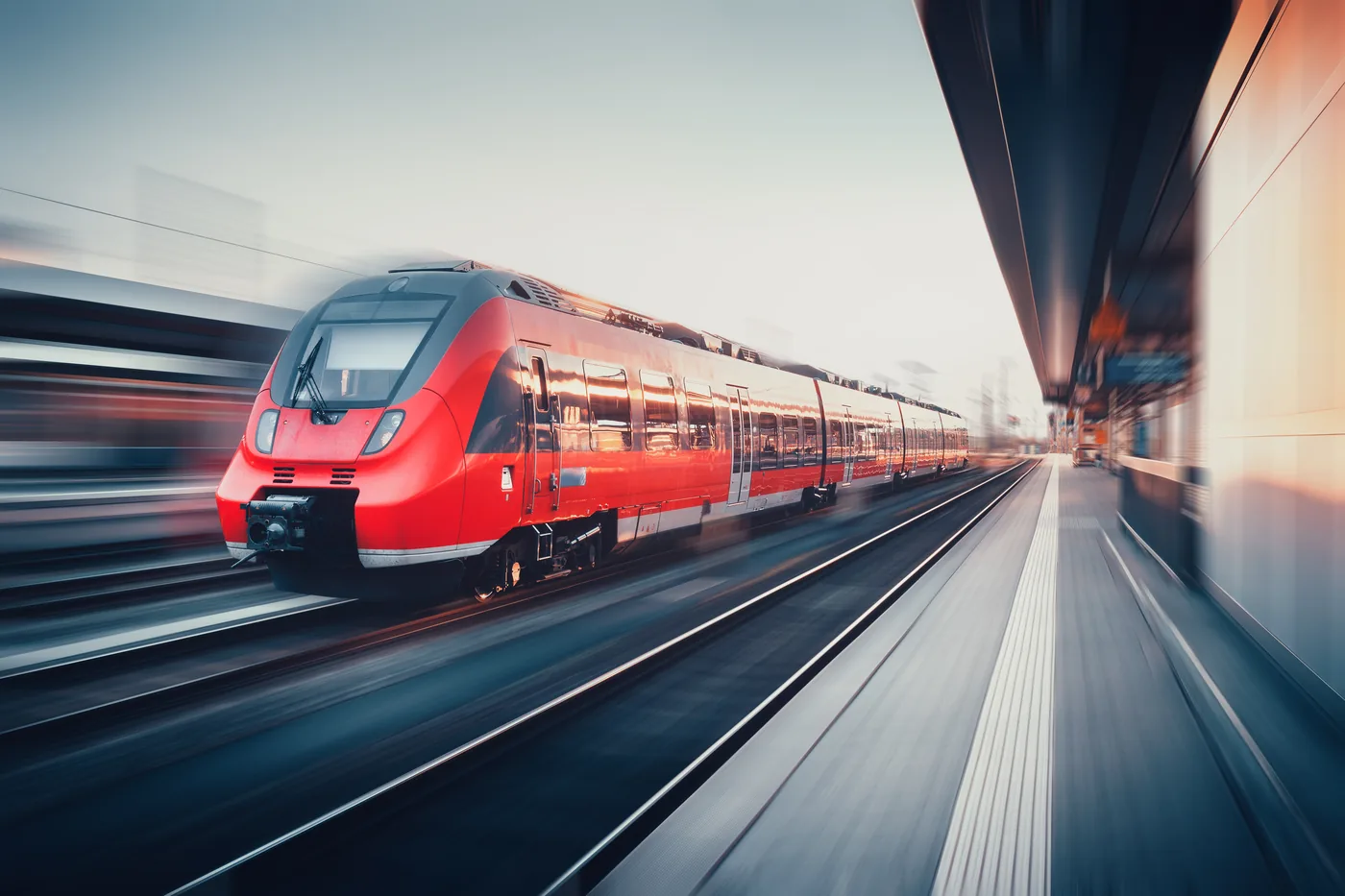
POLYRACK is on the move on the railways. Products and solutions can be found in trains and passenger cars worldwide and are constant companions.
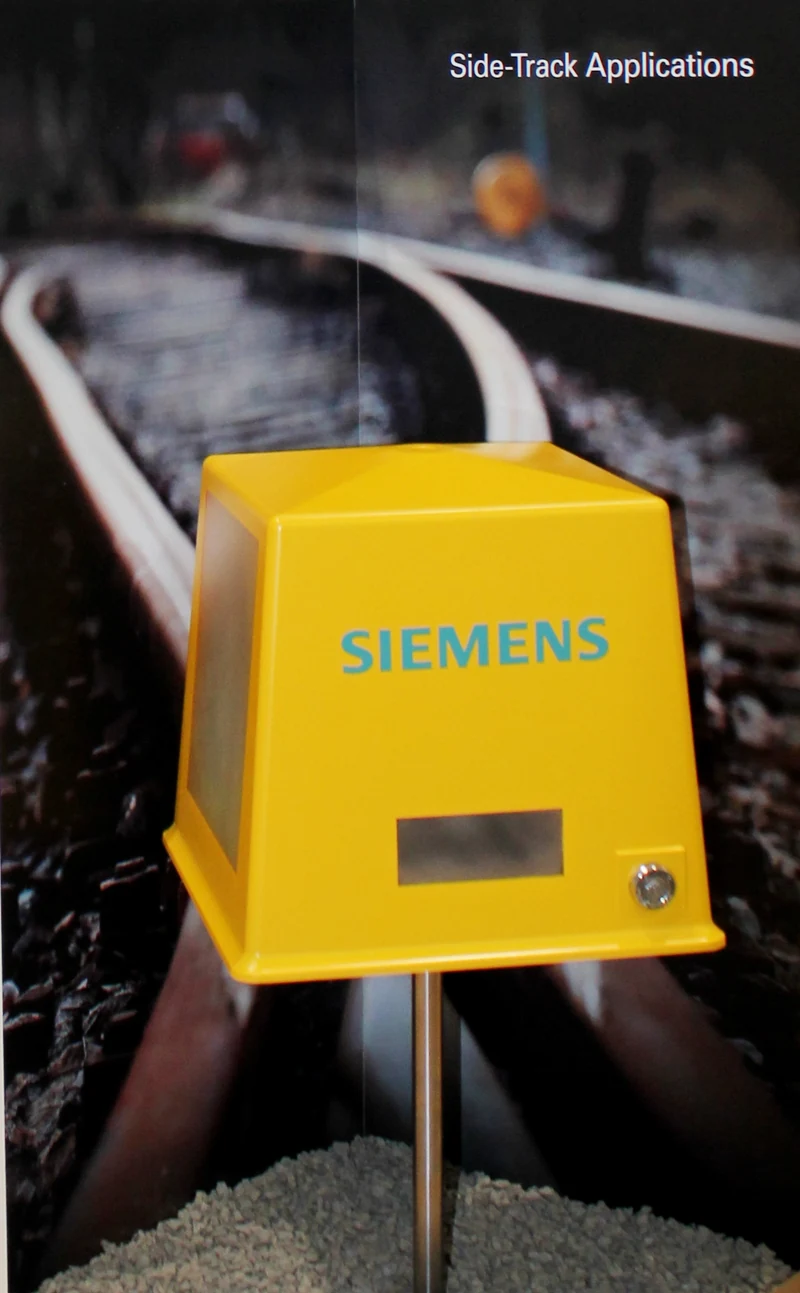
POLYRACK is present next to the rail. The special attention is devoted to the constantly growing control and safety in rail transport.
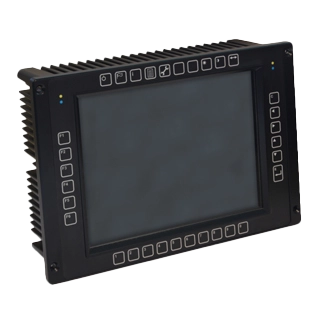
POLYRACK can be found in many ways in and around railroad stations. Our solutions are present in very different applications.
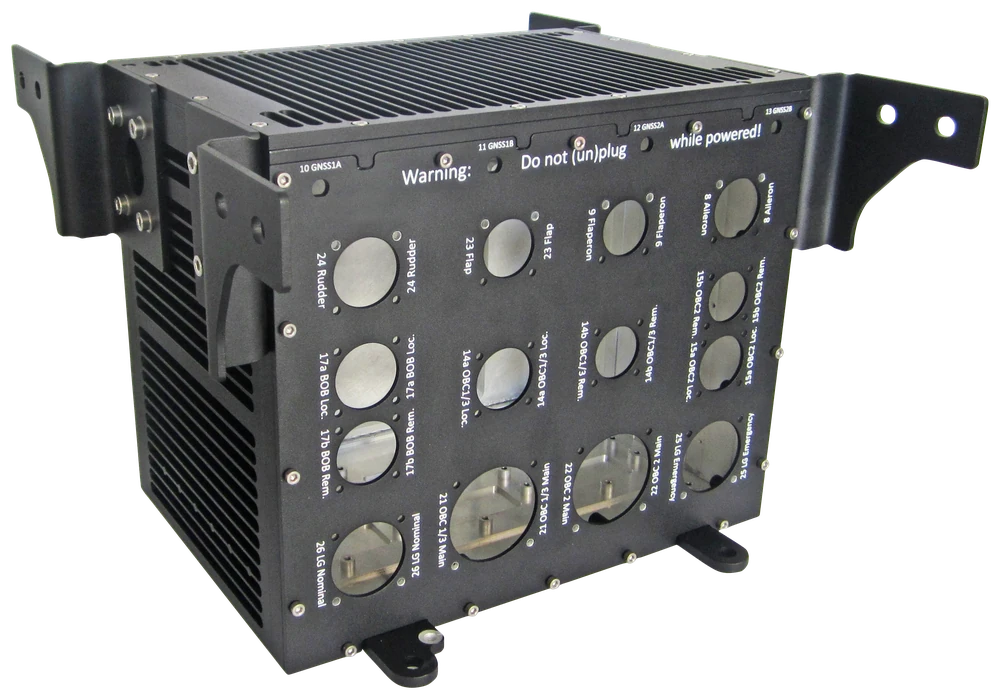
POLYRACK serves other requirements in the field of transportation. Solutions in the environment of locomotion, mobility, safety and comfort complete our offer.
Not every rail technology application requires a completely new design from scratch. At POLYRACK, a standard housing is a catalog product that serves as a development platform: You select it, check whether it suits your application, and customize it where it does not yet meet the rail-specific requirements.
For samples and new product lines that are to be tested initially, standard series are available starting at a quantity of one.
However, a custom development project becomes necessary as soon as one of the following three conditions is met:
For card guides in railway technology, DIN EN 45545 is already included in our standard product line as an optional, application-specific standard, meaning that many requirements can be met without the need for redesign. Where this is not sufficient, a custom solution Case is developed using the same level of engineering depth, without requiring you to start the project from scratch with another supplier.
Once series production has been approved, a “ Case ” for railway technology from POLYRACK can be supplied for ten to fifteen years in an unchanged configuration and with the same materials, subject to prior agreement, because long product lifecycles in railway technology require precisely this consistency for certification. To ensure this consistency throughout the entire service life, material selection, manufacturing, and surface finishing are carried out within a single, integrated chain of responsibility rather than at multiple supplier locations.
Metal, plastic, or a combination of both: The final choice of materials for a Case in railway engineering depends on weight, heat dissipation, mechanical stress, and the required fire resistance rating.
Various welding processes carried out in-house ensure joints that many other companies must source externally. Surface treatment, systems engineering, and electronics are also handled under one roof, so that Case, electronics, and thermal management come together as a single integrated system, rather than as three separately procured components.
Those who want to integrate the design into their own development process early on can access 3D design data in STEP format (Standard for the Exchange of Product Data) from the download portal.
Starting with just one unit. This is the standard path to mass production, especially for prototypes and new products that need to be tested first.
An on-boardCase operates in the vehicle throughout its entire service life and is constantly exposed to vibration and temperature fluctuations. An infrastructureCase for signal boxes, signaling systems, or station terminals, on the other hand, must be weather-resistant and often operate for long periods without access for maintenance.
Depending on the series, yes. We meet additional track requirements through the use of seals, customized card guides, and suitable material combinations. We’ll discuss the specific application with you to determine at what point a new design makes more sense. The“FerroRAIL”enclosure series offers a subrack designed to meet vibration-resistant requirements.

